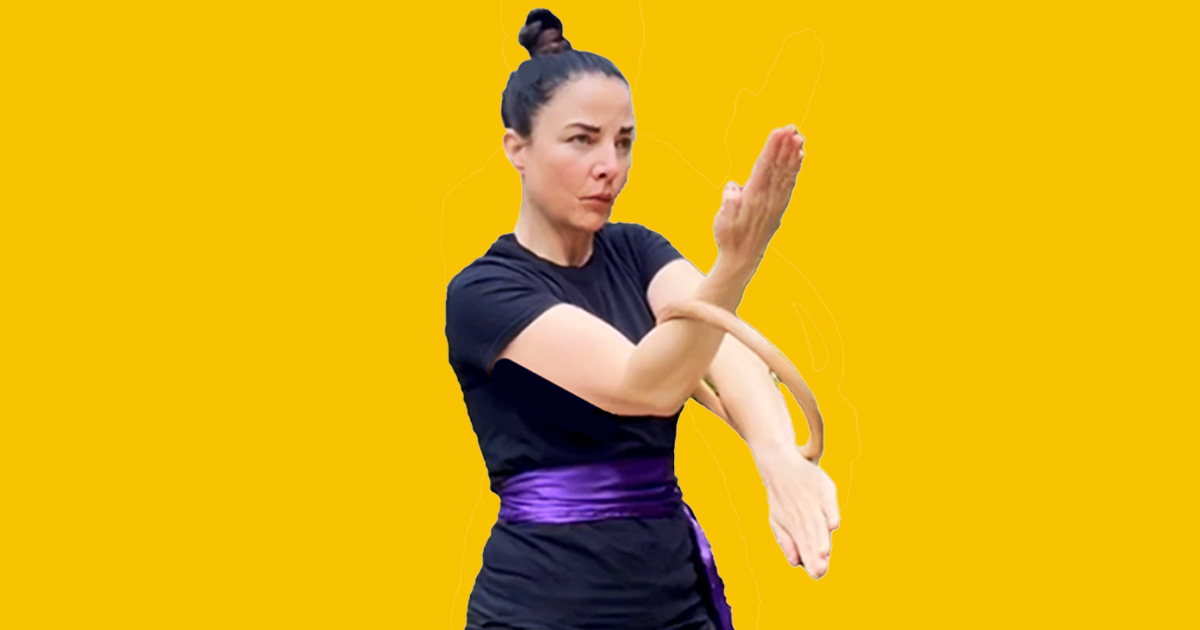
What conditioning is for in Wing Chun
In Wing Chun, power comes from structure, alignment and relaxation rather than muscle. That is one of the art’s great strengths, and it is why people of every size and age can learn it. But structure still needs a body that can support it. Tired legs let the stance rise and wobble, unconditioned forearms flinch in Chi Sao, and when you run out of breath your shoulders lift.
So the goal of Wing Chun conditioning is simple: make it easier to keep good structure for longer. Every exercise below should make your forms, drills and partner work better. If an exercise makes you stiffer or more tense, it is working against you.
Your Sil Lim Tao, Chum Kiu and footwork are themselves a large part of your conditioning; the extra work here supports them.
Safety first: if you have a heart or blood pressure condition, joint problems, osteoporosis, a recent injury or surgery, or any other health concern, talk to your doctor before starting new exercise. Warm up every session, build intensity over weeks rather than days, and stop if you feel sharp pain, dizziness or unusual shortness of breath. Effort is fine; pain is a signal to rest.
Warm up before every session
A few minutes of gentle joint work prepares the body and helps prevent strains. Work from head to toe: slow neck turns, shoulder rolls, arm swings across the chest, wrist and elbow circles, hip circles, gentle knee bends and ankle rolls. I teach a full head-to-toe routine in my warm-up exercises post, and it is worth learning it once so it becomes automatic.

1. Stance endurance
Your stance is the foundation of every technique. A punch from a collapsed stance has nothing behind it. Holding your training stance builds the leg endurance and the connection between lower and upper body that Wing Chun relies on.
In the Traditional Wing Chun I teach, the stance is upright with the knees softly bent, the spine tall, the shoulders relaxed and the weight even. The feet are not turned in. Lineages differ in the details, so follow your own teacher’s instructions, and read my post on Wing Chun stances for how I describe them.
How to build it
- Start short. Hold the stance for one to two minutes, relaxed, breathing slowly. Rest, then repeat once or twice.
- Add time gradually. Add a little time each week rather than each day. A longer hold is only useful if the quality stays.
- Practise inside the form. Doing Sil Lim Tao slowly is stance training in its own right, because you stand the whole time.
- Check yourself. Use a mirror or a camera. Knees collapsing inward, hips pushing back, leaning forward or shoulders creeping up all mean you have gone past useful fatigue.
If your knees or hips are sensitive, stand a little taller. A higher stance still trains alignment, and you can sink lower as your legs get stronger.
2. Forearm conditioning: a gradual progression
Wing Chun is a close-range art, and your forearms are the bridge between you and a partner. Over time they need to get used to contact so that you can stay relaxed rather than flinch. The key word is gradual. Skin, bone and soft tissue all adapt, but slowly. I never recommend banging the arms against hard objects to toughen them; that risks injury and builds tension instead of sensitivity.
Here is the order I suggest:
- Structure in the air. Learn correct Tan Sao, Bong Sao and Fook Sao positions in your forms first. Contact with poor structure just hurts.
- Light partner contact. Simple arm-rolling and touch drills with a cooperative partner, at low pressure. See partner drills.
- Wall bag, lightly. Short, relaxed rounds of chain punching on a wall bag condition the hands and wrists. Keep the wrist straight and build over weeks. My Wing Chun punch lesson covers the mechanics.
- Rings, starting light. Training rings worn on the forearms add load to your forms and drills. As I explain in my post on Wing Chun ring training, starting too heavy teaches you to tense and compensate. The rings should make correct structure harder, not impossible.
- The wooden dummy. Once you are learning the dummy form, the Muk Yan Jong adds solid contact for the arms and legs. Begin gently and increase force only as the arms adapt.
Allow recovery days between harder contact sessions. Bruising, swelling or pain that lasts into the next day means you did too much; drop back a stage for a while.
3. Grip and wrist strength
Grip matters more than beginners expect. Techniques such as Lop Sao (the grabbing, pulling hand) rely on a firm, quick grip, and the weapons, the long pole and the butterfly swords, demand strong hands and wrists. Good wrist strength also protects the joint when you punch the wall bag.
- Towel wring: twist a rolled towel hard in both directions for a few slow repetitions.
- Squeeze and release: make a firm fist, hold for a few seconds, then open the hand wide. Repeat slowly.
- Wrist circles with a light stick: hold a broom handle or light dowel near one end and turn it slowly in each direction. Keep it light.
Do not test your fingertips against hard surfaces. The finger thrusts of Biu Jee are trained for precision and are never a reason to jam fingers into walls or bags.
4. Core strength
Your core links the stance to the hands. When you turn in Chum Kiu or punch from a stable base, the trunk has to stay upright and connected instead of twisting or sagging.
- Plank holds: short holds with a straight line from head to heels. Stop when the hips sag.
- Push-ups: they train the chest, arms, shoulders and core together. Start on your knees if you need to; I show several variations in my push-ups strength workout.
- Small, controlled ab work: my abs workout focuses on small, controlled movements rather than big, jerky ones.
5. Mobility and relaxation
Wing Chun needs freedom in a few key places: the hips and ankles for turning and stepping on angles, the shoulders and elbows so the arms can move without lifting, and the wrists for hand techniques. Tightness in any of these forces you to compensate somewhere else.
- Hips and ankles: slow hip circles, gentle lunges and ankle rolls prepare you for footwork and turning.
- Shoulders: arm circles and gentle chest openers help keep the shoulders down and relaxed.
- Wrists and fingers: slow circles and gentle stretches before and after hand work.
- After training: stretch when you are warm. My stretching exercises and cooldown posts give full routines.
Relaxation is a skill as well. Slow breathing, and practices such as Qigong, help many students notice and release tension that would otherwise creep into their forms.
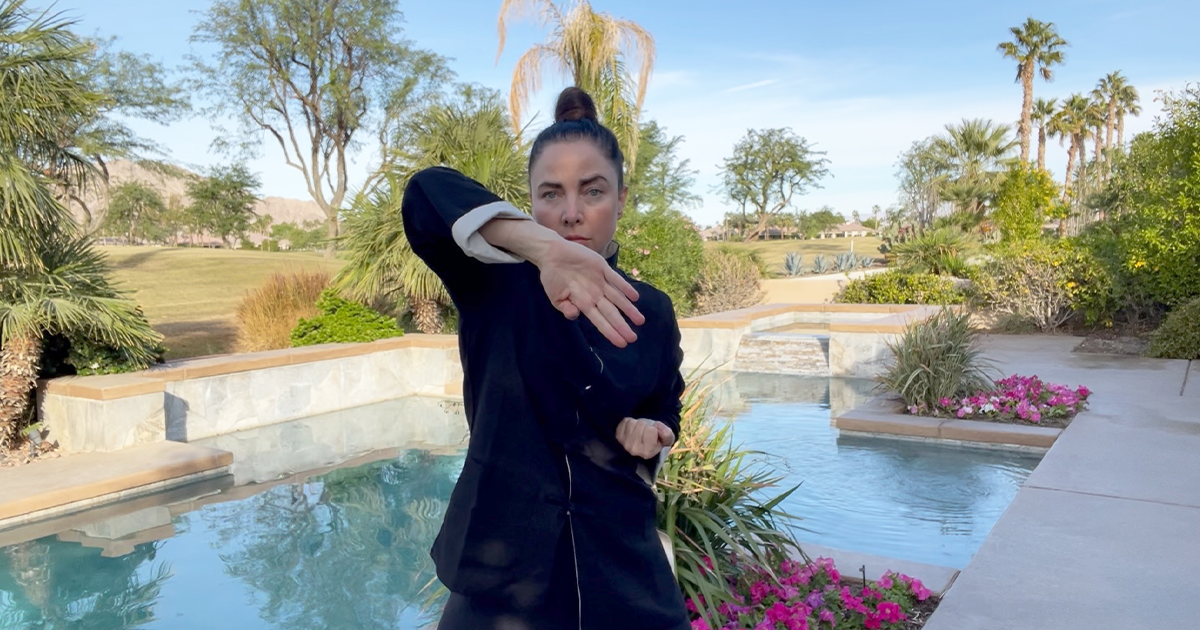
6. Stamina and cardio
Stamina keeps your technique clean when you are tired. The best cardio for Wing Chun is Wing Chun itself, done in rounds:
- Chain punch rounds: relaxed chain punching in the air for twenty to thirty seconds, then rest for the same time. Repeat a handful of times, keeping the elbows down and the punches on the centreline.
- Footwork rounds: step forward, back and on angles across the room, keeping your structure, for a minute at a time.
- Combined rounds: add low kicks to your punching rounds. My cardio workout post combines kicks and punches into a full session.
A simple weekly plan
This is a starting framework for a beginner training at home. Each session begins with a warm-up and ends with a cool-down and stretch. Adjust the days to your life, and scale everything down if you are new to exercise.
| Day | Focus | What to do |
|---|---|---|
| Monday | Stance and core | Sil Lim Tao slowly, two or three relaxed stance holds, short plank and push-up sets |
| Tuesday | Cardio and footwork | Forms, then chain punch rounds and footwork rounds |
| Wednesday | Mobility and recovery | Light forms, hip, shoulder and wrist mobility, longer stretch |
| Thursday | Forearms and grip | Forms, light wall bag or ring work at your current stage, grip exercises |
| Friday | Stance and core | Chum Kiu or your current form, stance holds, core work |
| Saturday | Cardio or partner work | Combined punch and kick rounds, or light partner drills if you have a partner |
| Sunday | Rest | Rest, or a gentle walk and stretch |
Keep each conditioning block short, around ten to twenty minutes, and do it after your forms practice so you learn your techniques while fresh. My daily practice routine shows how to fit this around your forms.
Practice plan: your first four weeks
- Week 1: warm-up every day, two one-minute stance holds, chain punch rounds in the air only.
- Week 2: add a short plank and push-ups twice a week; lengthen stance holds slightly if quality holds.
- Week 3: add grip exercises and footwork rounds; introduce very light wall bag rounds if you are ready.
- Week 4: follow the weekly plan above at a comfortable level, and film one session to check your posture under fatigue.
Common conditioning mistakes
- Too much, too soon. The fastest way to stop training is to get hurt in week two. Progress slowly.
- Training tense. If you clench your shoulders to finish a set, you are rehearsing the wrong habit. Shorten the set.
- Conditioning instead of practice. A strong body with poor structure is still poor Wing Chun. Forms come first. See common beginner mistakes.
If you are starting later in life, read Wing Chun for older adults for gentler adaptations, and when you begin partner contact, check the protective gear guide. If you want structured feedback on your stance and structure as you build up, my online course includes graded exams at each level.
Frequently asked questions
Do I need to be fit before I start Wing Chun?
No. The early training is low-impact and builds fitness as you go. Start where you are, keep sessions short and let your conditioning grow alongside your forms. If you have a health condition, check with your doctor before you begin.
Should I condition my forearms by hitting hard objects?
No. Forearm conditioning in Wing Chun should be gradual and built mostly through correct structure, light partner contact, the wall bag, rings and later the wooden dummy. Striking hard objects to toughen the arms risks injury and teaches tension. Bruising, sharp pain or swelling are signs to stop and rest.
How long should I hold my stance?
Begin with short holds of a minute or two, relaxed and upright, and build up over weeks. Quality matters more than time. When your shoulders lift, your knees collapse or your breathing gets tight, end the hold and rest.
Is weight training bad for Wing Chun?
Not in itself. Sensible general strength work can support your training, but it should never replace forms practice or teach you to muscle your techniques. Keep the emphasis on relaxed structure, and plan strength days so they do not leave you too stiff to practise well.
How often should I do conditioning work?
A few short conditioning blocks a week is plenty for most beginners, built around regular forms practice. Leave at least a day between harder contact sessions so skin, bones and joints can adapt. More is not better if it leaves you sore or tense.
Next: daily practice routine · Wing Chun principles · home training setup · all lessons