Why a daily routine works
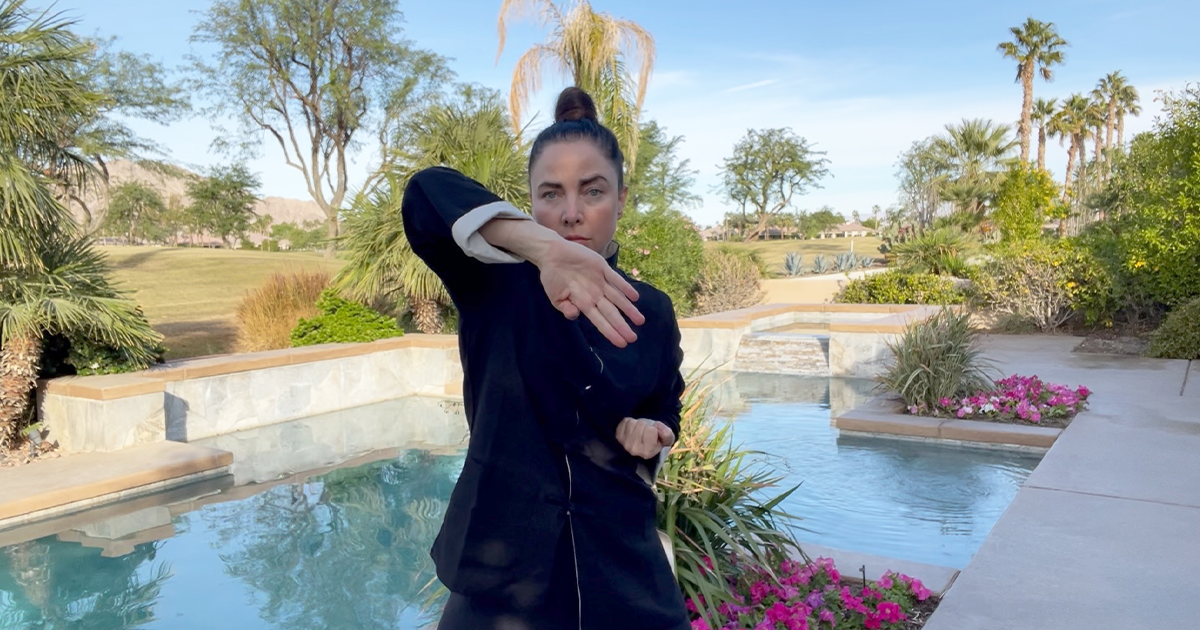
Wing Chun is well suited to solo practice. The three empty-hand forms, stance work, hand drills, footwork and shadowboxing are all designed to be trained alone. That is not a compromise; it is how the system was built.
What makes solo training work is consistency. Daily repetition builds muscle memory in a way that occasional long sessions cannot. So rather than planning heroic weekend sessions, decide on a session length you can actually keep, and do it most days. The ideal for most beginners is 20 to 30 minutes on five to seven days a week. On days when that is impossible, 15 minutes keeps the thread unbroken.
The six building blocks
Every session below uses the same building blocks, just in different amounts:
- Warm-up. Gentle joint mobilisation from head to feet: neck, shoulder rolls, wrist circles, hip circles and light knee bends, with slow breathing. See my warm-up exercises.
- Forms. Sil Lim Tao every day, then Chum Kiu and Biu Jee once your curriculum includes them.
- Techniques. Hand position drills (Tan Sao, Pak Sao, Fook Sao, Wu Sao, Bong Sao) on each side, and chain punching. See hand techniques and the punch.
- Footwork. Stepping forward and back, pivots and angle stepping, never crossing the feet.
- Conditioning. Stance holding, wall bag punching, ring work or push-ups. More in conditioning for Wing Chun.
- Cool-down. Light stretching, a few quiet breaths and a mental review of what you worked on. See my cool-down and stretching posts.
The 15-minute routine
For busy days, or for your first week. It keeps the essentials alive.
| Block | Time | What to do |
|---|---|---|
| Warm-up | 2 min | Shoulder rolls, wrist circles, hip circles, light knee bends |
| Stance | 2 min | Settle into your stance, relax the shoulders, breathe slowly through the nose |
| Sil Lim Tao | 7 min | One slow, mindful repetition (or the sections you know), one focus quality |
| Hand drills or punching | 3 min | Hand positions on each side, or slow, relaxed chain punching |
| Cool-down | 1 min | Stand quietly for a few breaths and notice any tension |
The 30-minute routine
The standard session. If you do this five days a week, you are training well.
| Block | Time | What to do |
|---|---|---|
| Warm-up | 4 min | Joint mobilisation head to feet, slow breathing |
| Stance | 3 min | One hold, focusing on alignment of knees, hips and spine |
| Sil Lim Tao | 8–10 min | One or two slow repetitions with one focus quality |
| Chum Kiu (if learned) | 4 min | One or two repetitions, smooth turning and stepping. If not learned yet, extra hand drills |
| Chain punching | 3 min | Three rounds of 60 seconds, into the air or a wall bag, structure before speed |
| Footwork | 4 min | Advancing, retreating, pivots and triangle stepping |
| Cool-down | 2–3 min | Gentle stretching, quiet breaths, a mental review |

The 60-minute routine
A full session for days when you have time. Use it once or twice a week, or more as your curriculum grows.
| Block | Time | What to do |
|---|---|---|
| Warm-up | 5 min | Joint mobilisation and breathing, or light Qigong |
| Stance | 9 min | Three holds of 3 minutes with short rests |
| Forms | 15–20 min | Sil Lim Tao slowly, then Chum Kiu and Biu Jee if learned. Otherwise two Sil Lim Tao with different focus qualities |
| Technique drilling | 8 min | Hand positions on each side, then shadowboxing specific responses to specific attacks |
| Chain punching | 5 min | Five rounds of 60 seconds with short rests |
| Footwork | 5 min | Stepping, pivots, angle stepping; add hands as you step |
| Conditioning | 5–8 min | Wall bag, rings, or push-ups and core work |
| Cool-down | 5 min | Stretching, slow breathing, review what you worked on |
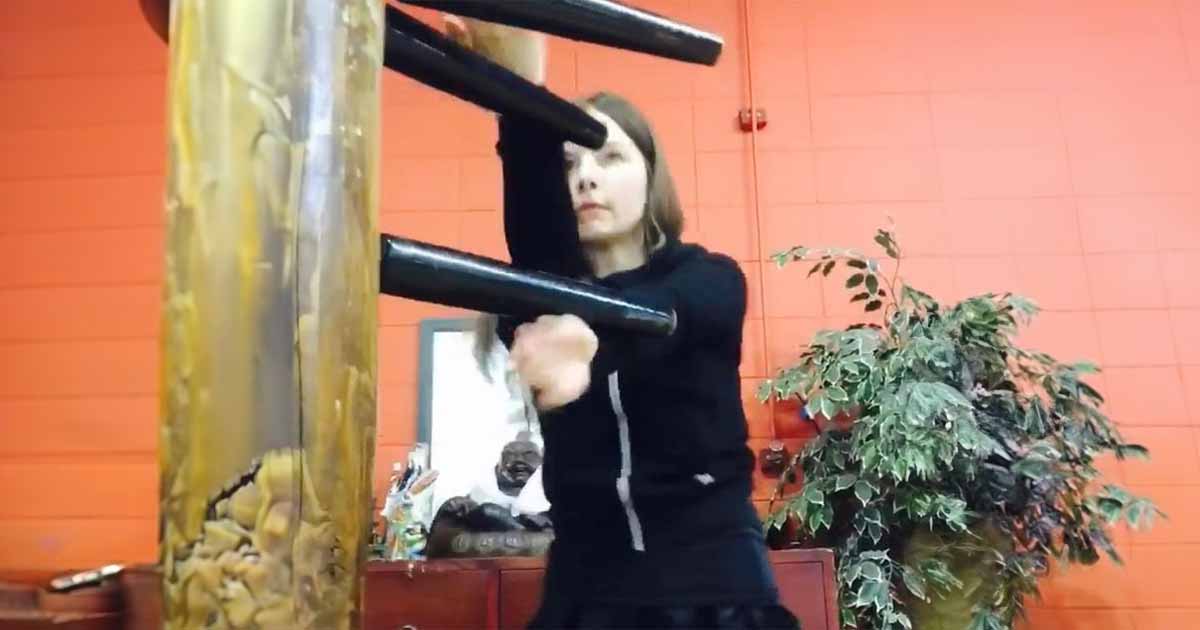
If you have a wooden dummy and have reached that stage, swap part of the technique block for 10 to 15 minutes of dummy work. If not, the dummy form can be practised in the air; see training without a dummy.
A weekly plan
This plan mixes the three session lengths so you train most days without wearing yourself out. Adjust the days to fit your life; the pattern matters more than the order.
| Day | Session | Focus |
|---|---|---|
| Monday | 30 min | Sil Lim Tao: relaxed shoulders |
| Tuesday | 30 min | Footwork and chain punching |
| Wednesday | 15 min | Sil Lim Tao: elbow position and centerline |
| Thursday | 30 min | Hand positions and Chum Kiu (if learned) |
| Friday | 15 min | Stance hold and one slow Sil Lim Tao |
| Saturday | 60 min | Full session; record one form for review |
| Sunday | Rest or 15 min | Gentle Sil Lim Tao and stretching only |
Practice plan: making it stick
- Train at the same time each day so it becomes routine.
- Choose one focus quality per session and write it down before you start.
- Record one form each week from the front and side, and compare it with last week's.
- Keep a short log: date, session length, focus, one thing you noticed.
- If you miss a day, do the 15-minute session the next day rather than trying to make it up.
Conditioning without overdoing it
Conditioning supports your Wing Chun; it should not take over the session. Holding the stance builds leg strength and root: begin with holds of two to five minutes and extend gradually, paying attention to alignment rather than enduring the burn. A wall bag adds contact to chain punching: rounds of 30 to 60 seconds with elbows down and shoulders relaxed. Ring training builds forearm strength and sensitivity. For general fitness, my Wing Chun home workout and push-ups workout cover strength and cardio. Gear for all of this is covered in rings and wall bags and home training setup.
Safety notes
- Always warm up first and cool down after. The warm-up prepares joints and helps prevent injury.
- Start wall bag work lightly and build up over weeks; stop if your knuckles or wrists hurt.
- Stop if you feel pain, dizziness or shortness of breath. Discomfort is a signal, not a challenge.
- If you have a heart, joint, balance or other health condition, are pregnant, or are returning from injury, check with your doctor before starting. Wing Chun for older adults has gentler options.
- Train on a clear, non-slip floor with enough room to step and turn.
What solo practice cannot replace
A daily routine builds structure, technique and conditioning. It cannot fully develop the tactile sensitivity of Chi Sao, which comes from contact with another person. Add partner drills whenever you can, and get your practice reviewed regularly so the habits you build are the right ones. My posts on solo training and practising without a partner go further. If you want a structured curriculum with feedback, my online course is designed around home practice, with graded exams at each level.
Frequently asked questions
How long should I practise Wing Chun each day?
Twenty to thirty focused minutes on five or more days a week is ideal for most people. Fifteen minutes is fine on busy days. Consistency matters more than duration: short daily sessions build habits faster than long occasional ones.
Do I need equipment for these routines?
No. Everything here can be done with a clear patch of floor. A wall bag adds contact for punching, and a wooden dummy is useful later, but neither is required. Shadowboxing and form practice in the air are legitimate training.
Should I practise every day of the week?
Most people do well training five or six days with one easier day. A short Sil Lim Tao on your rest day keeps the habit going without tiring you. Listen to your body and take extra rest when you are sore or unwell.
What if I only know part of Sil Lim Tao?
Practise the sections you have learned, slowly and with full attention, and fill the rest of the forms block with stance holding and hand position drills. Add Chum Kiu and Biu Jee to the routine only when your curriculum reaches them.
Is it okay to train Wing Chun with a health condition?
Many people can, with adjustments, but check with your doctor first if you have heart, joint, balance or other health conditions. Start with the 15-minute routine, skip anything that causes pain, and stop if you feel dizzy or short of breath.
Next: beginner mistakes · partner drills · all lessons