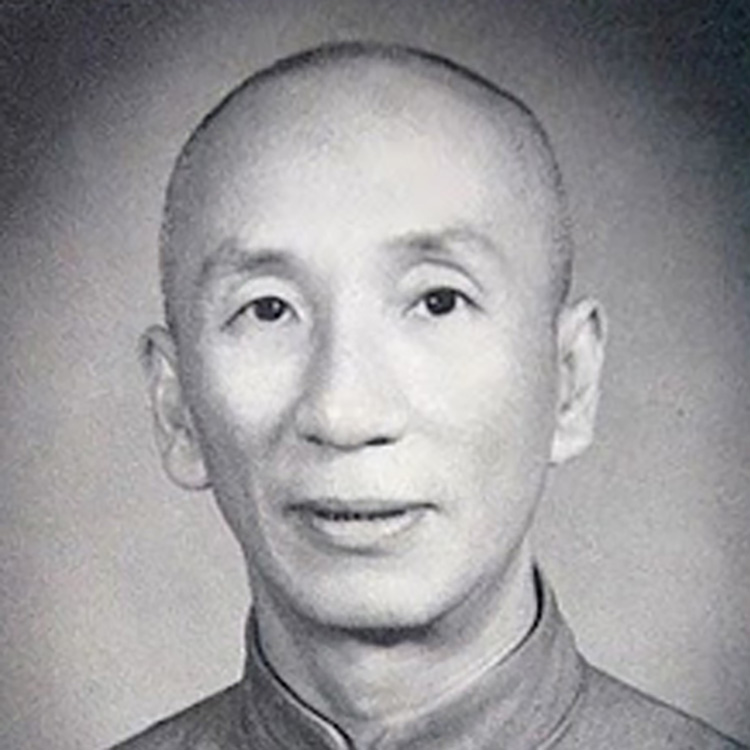
Ip Man at a glance
| Born | 1 October 1893, Foshan, Guangdong, China |
|---|---|
| Died | 2 December 1972, Hong Kong (aged 79) |
| Teachers | Chan Wah Shun, Ng Chung So, and Leung Bik |
| Moved to Hong Kong | Left Foshan at the end of 1949, arriving in 1950 |
| Began teaching publicly | Early 1950s, through the Hong Kong Restaurant Workers’ Association |
| Association | Co-founded the Ving Tsun Athletic Association in 1967 |
| Well-known students | Leung Sheung, Wong Shun Leung, William Cheung, Bruce Lee, Moy Yat, Chu Shong Tin, Ho Kam Ming, and his sons Ip Chun and Ip Ching |
You will also see his name written Yip Man. Both spellings refer to the same person.
Childhood in Foshan
Ip Man was born in Foshan, a busy city in Guangdong province in southern China, into a comfortable family. Foshan had a strong martial arts culture, and Wing Chun had been taught there since the days of Leung Jan, the first teacher in Wing Chun’s documented history (see the history of Wing Chun for that story).
As a boy, Ip Man was accepted as a student by Chan Wah Shun, a money changer who had learned from Leung Jan. Ip Man was Chan Wah Shun’s last student. Around 1909 Chan Wah Shun suffered a stroke and stopped teaching, and his senior student Ng Chung So took over the training. Ip Man learned a great deal of his Wing Chun from Ng Chung So.
Hong Kong as a student, and Leung Bik
As a teenager Ip Man went to Hong Kong to study at St. Stephen’s College. While he was there he met and trained with Leung Bik, one of Leung Jan’s sons, until Leung Bik’s death in 1911. This meant that the young Ip Man had learned from two branches of Leung Jan’s teaching: through Chan Wah Shun and through Leung Jan’s own family.
Back in Foshan
Ip Man returned to Foshan, married Cheung Wing Sing, and worked as a police officer. He taught Wing Chun privately to friends, colleagues and relatives, but he did not run a public school in Foshan. The life you see in films, with a grand house and challenge matches in the courtyard, is a dramatised version of this period.
His wartime years are not well documented, and I prefer not to fill the gaps with stories. What we do know is that the war and the civil war that followed changed his circumstances completely.
Moving to Hong Kong, 1949–1950
At the end of 1949 Ip Man left Foshan, travelling through Macau and arriving in Hong Kong in 1950. He came with very little. His wife remained in Foshan, and the border closures that followed kept them apart; she died there in 1960.
Needing work, Ip Man found help through the Hong Kong Restaurant Workers’ Association, and in the early 1950s he began teaching Wing Chun to its members. His first students were ordinary working people. This is a turning point in the history of the art: for the first time, Wing Chun was being taught openly to anyone willing to train, rather than passed down quietly within a family or a small circle.

The students who carried his Wing Chun
Over roughly two decades of teaching in Hong Kong, Ip Man trained a generation of students who went on to teach around the world. A few of the best known:
- Wong Shun Leung, remembered for his practical fighting skill and for the large part he played in Bruce Lee’s training.
- William Cheung, born in Hong Kong in 1940, who became a live-in student of Ip Man as a teenager and lived with him for about three years. He introduced his friend Bruce Lee to Ip Man, and he later moved to Australia, where he taught and became the Grandmaster of Traditional Wing Chun.
- Bruce Lee, who began training as a teenager in the 1950s and left Hong Kong for the United States in 1959. He went on to become the most famous martial artist in the world.
- Leung Sheung, Moy Yat, Chu Shong Tin and Ho Kam Ming, each of whom built their own teaching lines.
- Ip Chun and Ip Ching, his sons, who both became respected teachers of their father’s Wing Chun.
My blog post Ip Man: the man who taught Bruce Lee covers the Bruce Lee chapter in more depth, including the role of Wong Shun Leung.
The Ving Tsun Athletic Association
In 1967 Ip Man and a group of his students founded the Ving Tsun Athletic Association in Hong Kong. It gave his Wing Chun a formal home and helped support the grandmaster in his later years. “Ving Tsun” is simply another way of spelling Wing Chun in English.
His final years
Ip Man continued to teach into the last years of his life. He died on 2 December 1972 at his home in Mong Kok, Kowloon, after an illness with throat cancer. By then his students were teaching in many places, and within a few years Wing Chun schools were spreading across Asia, Australia, Europe and North America. Bruce Lee, who died the following year, had already made millions of people curious about the art his first teacher had given him.
What his life means for your training
I find Ip Man’s story most useful not for the dates but for the example. A few things stand out to me as a teacher:
- He kept training through hardship. He arrived in a new city with almost nothing and built a teaching life from a workers’ association. Your training does not need perfect conditions either. See the daily practice routine for a realistic plan.
- He taught people as they were. His early students were working people, not athletes. Wing Chun’s reliance on structure rather than size is part of why that worked; read Wing Chun principles.
- His students developed their own emphasis. Today Wing Chun has several lineages. Some schools teach mainstream Wing Chun, others teach Traditional Wing Chun, the line of Grandmaster William Cheung. I teach Traditional Wing Chun as it was passed down to me by Master Brian Lewadny, who learned it from Grandmaster William Cheung. Many other sincere teachers carry Ip Man’s legacy in their own lines; the lineages guide explains how to find out where a school comes from.
Try this: a week of Ip Man’s basics
Every line of Ip Man’s Wing Chun begins with the first form. For one week, honour the grandmaster’s legacy with the basics:
- Each day, practise Sil Lim Tao slowly once, following the Sil Lim Tao practice guide.
- Add three sets of 30 seconds of relaxed straight punches on the centerline, using the Wing Chun punch lesson to check your elbows.
- At the end of the week, film one run of the form and compare it with your first day.
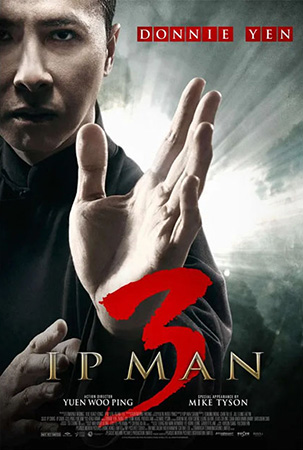
Ip Man on screen
Many people first hear Ip Man’s name through the films starring Donnie Yen, the first of which came out in 2008. They are exciting, and they brought a wave of new students to Wing Chun, but they are dramatisations. The broad setting is real, while most of the fights and many events were written for the screen. If you enjoy them, see my picks in the Ip Man movies ranked, the wider Wing Chun films guide, and my Ip Man movie reviews on my blog.
If you want the fuller story of his life, I wrote a book about it: The Life of Ip Man: The Quiet Master Who Gave Wing Chun to the World. It sits alongside my other titles on the books page.
Frequently asked questions
When was Ip Man born and when did he die?
Ip Man was born on 1 October 1893 in Foshan, in Guangdong province, China. He died in Hong Kong on 2 December 1972, at the age of 79, after an illness with throat cancer.
Who taught Ip Man Wing Chun?
His first teacher was Chan Wah Shun in Foshan. After Chan Wah Shun had a stroke, his senior student Ng Chung So continued Ip Man’s training. As a teenager in Hong Kong, Ip Man also trained with Leung Bik, a son of Leung Jan.
When did Ip Man move to Hong Kong?
He left Foshan at the end of 1949 and arrived in Hong Kong in 1950. He began teaching Wing Chun there in the early 1950s through the Hong Kong Restaurant Workers’ Association.
Did Ip Man teach Bruce Lee?
Yes. Bruce Lee trained at Ip Man’s school as a teenager, after his friend William Cheung introduced him. Much of his day-to-day instruction came from Ip Man’s senior student Wong Shun Leung. Bruce Lee left Hong Kong for the United States in 1959.
Are the Ip Man films true stories?
They are dramatisations. They use the real setting of Foshan and Hong Kong and the real outline of his life, but the fights and many events are written for the screen. Enjoy them as films and read a biography for the facts.
Next: the history of Wing Chun · ranks and levels · films · all lessons